


20 Essential Dog Training Insights: What To Know Before and After You Start

Updated: Jul 22, 2025
Dog training is about more than just obedience it's the foundation of a healthy, trusting relationship with your canine companion. Whether you’re preparing to start training or looking to refine your skills, mastering these essential principles will empower you and your dog for a lifetime of learning.

Before Dog Training: 10 Crucial Things You Need to Know
1. Understand Basic Dog Behavior
Interpret body language: Learn the meaning behind tail wags, ear positions, and vocalizations to recognize stress, excitement, or fear.
Adjust your approach: Use behavior cues to select the most effective training method for each situation.
2. Factor in Age and Temperament
Puppies, adults, shy, or energetic tailor your techniques to your dog’s unique personality for better results.
3. Emphasize Consistency
Consistent commands and consequences are vital. Inconsistency can slow progress and confuse your pet.
4. Practice Patience
Training takes time and repetition. Celebrate small wins, and don’t expect overnight transformation.
5. Use Positive Reinforcement
Reward good behavior with treats, praise, or play. Positive training methods build trust and speed learning.
6. Keep Sessions Short
Dogs (especially puppies) thrive on short, frequent sessions to prevent frustration and boredom.
7. Set Realistic Expectations
Every dog progresses differently. Adjust your training timeline and goals accordingly.
8. Prioritize Socialization
Early, controlled exposure to other dogs, people, and environments creates a confident, well-adjusted dog.
9. Master Basic Commands First
Focus on essential commands: sit, stay, come, down, and leave it as your training foundation.
10. Get Familiar with Training Tools
Select the right leashes, clickers, harnesses, or collars. Comfort and fit affect both learning and safety.

After Dog Training: 10 Tips for Ongoing Success
1. Maintain Progress
Continue practice and occasional refreshers to reinforce desired behaviors.
2. Address Setbacks Proactively
Plateaus and regressions are normal. Stay positive and adjust your approach as needed.
3. Introduce Distractions Gradually
Transition training from quiet indoors to more stimulating environments, like parks, for real-world obedience.
4. Explore Advanced Techniques
Challenge your dog with tricks, agility, or service tasks to keep them engaged and stimulated.
5. Identify & Manage Triggers
Recognize what sparks unwanted behaviors (anxiety, boredom) and adjust your approach to address root causes.
6. Tackle Problem Behaviors
Address barking, jumping, or chewing using positive corrections, redirection, and patience.
7. Prioritize Mental Stimulation
Use puzzle toys, new tricks, or scent games to give your dog daily mental workouts.
8. Correct Missteps Kindly
Avoid punishment. Use redirection or withhold rewards to correct undesired actions.
9. Nurture Your Bond
Keep the focus on connection and trust—training is a journey you and your dog take together.
10. Support Long-Term Health
Well-trained dogs benefit from improved safety, social opportunities, and a holistic approach to health, including exercise and nutrition.
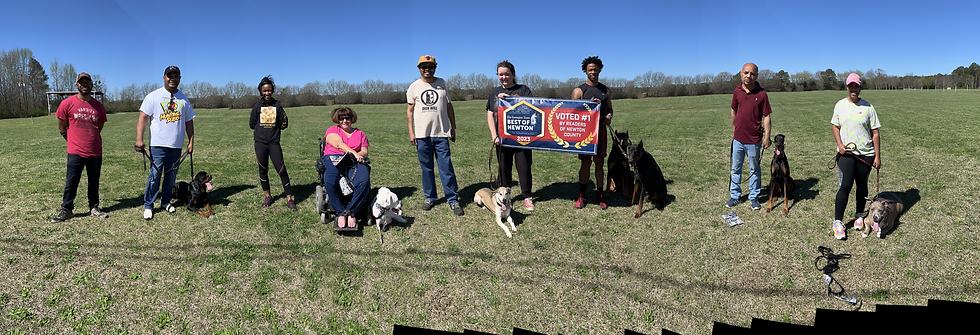
Join the Conversation!
Have dog training questions or success stories? Share your journey in the comments below! Like, share, and tag a fellow dog lover. Let’s build a community of happy, well-trained dogs and informed owners.
Dog training is more than just teaching commands; it's an investment in a lifetime of understanding, trust, and companionship. By mastering these essentials before and after training, you’re ensuring not just your dog’s obedience, but their happiness, health, and your unbreakable bond. Start today, stay patient, and celebrate every step forward. Your best friend deserves it, and so do you!
Ready to transform your dog's behavior and relationship with you? Take the first step, engage, ask, and be an active part of our dog-loving community!