


Mine, Not Yours: A Results-Driven Approach to Ending Resource Guarding

It starts with a low, vibrating growl when you walk past the food bowl. Or perhaps it’s a sudden "freeze" when your dog has a favorite tennis ball and you reach down to pick up a stray sock. If you’ve felt that shot of adrenaline and worry when your dog guards an item, you aren’t alone.
Resource guarding is one of the most common, and most misunderstood, behaviors we see in dogs. It can be startling, frustrating, and even frightening to experience a flash of aggression from a pet you love. You might feel like you’ve failed as an owner or that your dog has suddenly "turned" on you.
The truth is, this behavior is a deeply rooted instinct. While it is manageable, it requires a careful, expert approach to ensure the safety of everyone in your home. At Iron Will Dog Training, we specialize in helping owners in Covington, GA, and the Atlanta area navigate these complex behaviors with confidence and clarity.
Understanding the "Why" Behind the Guarding
To address the behavior, we first have to understand where it comes from. Many owners are told that resource guarding is a sign of "dominance" or a dog trying to be the "alpha." In reality, modern behavior science tells us a different story.
Resource guarding is an evolutionary survival mechanism. In the wild, an animal that didn't protect its food, water, or a safe sleeping spot didn't survive. Even though your dog has a bowl that is filled like clockwork every morning, that ancient "software" can still run in the background.
When a dog guards, they aren't trying to boss you around; they are experiencing a form of anxiety. They perceive a threat to something they value, and their reaction, whether it’s a growl, a snap, or a stiff posture, is their way of saying, "Please don't take this; I’m worried it’s going to disappear."
Recognizing the Subtle Warning Signs
Most people only notice resource guarding when it reaches the level of a growl or a snap. However, dogs almost always give subtle cues long before they escalate to vocalizations.

"Learning to read your dog’s body language is the first step in preventing a dangerous escalation."
Keep an eye out for these "low-level" guarding indicators:
The Freeze: Your dog stop moving or chewing the moment you enter the room or approach them.
Whale Eye: You can see the whites of your dog's eyes as they track your movement without moving their head.
Hunched Body: They position their body over the item, almost like a shield.
Rapid Eating: Swallowing food or treats much faster than usual when someone nears their bowl.
Hard Eye: A fixed, unblinking stare directed at the person or animal they perceive as a threat to their resource.
Recognizing these signs allows you to stop the interaction before it becomes a safety risk. If you see these behaviors, the best thing you can do is give your dog space and consult a professional for aggressive dog training in Atlanta.
The Importance of Professional Evaluation
Resource guarding is not a behavior you should attempt to "fix" on your own using tips from a video or a blog. Because the risk of a bite is real, a professional evaluation is the safest and most effective path forward.

When we work with clients in Covington, GA, we perform a comprehensive assessment to understand the specific triggers and the level of risk involved. Here is why an expert eye is essential:
Risk Assessment: A trainer can determine the "threshold": exactly how close you can get before the dog feels threatened. Pushing past this threshold without professional guidance can lead to a bite.
Identifying Multi-Triggers: Often, a dog doesn't just guard food. They might guard furniture, certain people, or even "stolen" items like tissues. We identify the full scope of the issue.
Medical Screening: Sometimes, sudden aggression is linked to pain or underlying medical issues. We work with you to ensure your vet has ruled out physical causes before we begin behavior modification.
Customized Safety Protocols: Every home is different. A professional will help you set up management strategies: like using baby gates or specific feeding routines: that keep your children and other pets safe while the training progresses.
Expert Tips for Managing the Home Environment
While you wait for your professional consultation for dog training in Covington, GA, you can implement these management-focused "drills" to keep the environment low-stress.
Tip 1: The "No-Fly Zone" During Mealtime. Feed your dog in a separate room or behind a crate where they can eat in total peace. If they don't feel the need to watch the door, their stress levels will naturally drop.
Tip 2: Inventory Control. If your dog guards specific high-value toys (like certain bones or squeakers), remove those items from the environment for now. Only allow access when the dog is in a secure, private area.
Tip 3: The "Wait and Watch" Observation. Instead of approaching your dog when they have an item, stand at a distance where they remain relaxed. Note their body language. This helps you understand their "safety bubble" without triggering a reaction.
Tip 4: Zero Confrontation. Never attempt to pry an item out of a guarding dog's mouth. This almost always escalates the behavior and teaches the dog that they rightfully feared you were there to steal their treasure.
A Realistic Timeline for Progress
Behavior modification is a journey, not a quick fix. Because resource guarding is rooted in emotion (fear of loss), we have to change the dog's underlying feelings before we see a permanent change in their actions.

Weeks 1-2: Focus is entirely on management. We stop the "practice" of the behavior by changing how the dog is fed and how toys are handled.
Weeks 3-6: Under professional supervision, we begin "Counter-Conditioning." This is where the dog learns that a human approach actually means better things are coming, not that things are being taken away.
Months 2-4: We work on generalizing these behaviors across different rooms and with different family members, always prioritizing safety.
"Patience is your greatest tool. We aren't just teaching a 'sit'; we are rebuilding a sense of security."
Rebuilding the Bond
Living with a dog that guards can feel like walking on eggshells. It strains the relationship and replaces joy with anxiety. However, with the right professional guidance and a results-driven plan, you can return to a home where everyone feels safe.
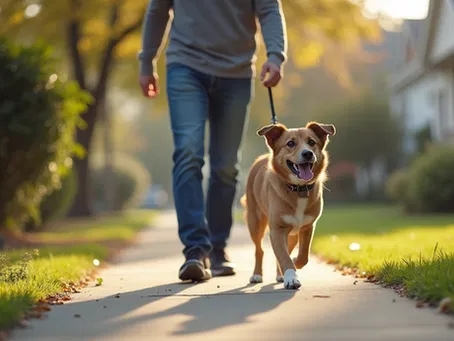
At Iron Will Dog Training, our goal is to move beyond the "Mine!" phase and get back to the "Ours" phase: where you and your dog share a life built on trust rather than tension. Whether you need help with a new puppy or are looking for aggressive dog training in Atlanta, we are here to support you every step of the way.
If you are struggling with resource guarding, don't wait for the behavior to escalate. Consult the experts today and take the first step toward a calmer, safer home.