


Dog Training in Atlanta: Understanding Social Hierarchy for a Better Behaved Pet

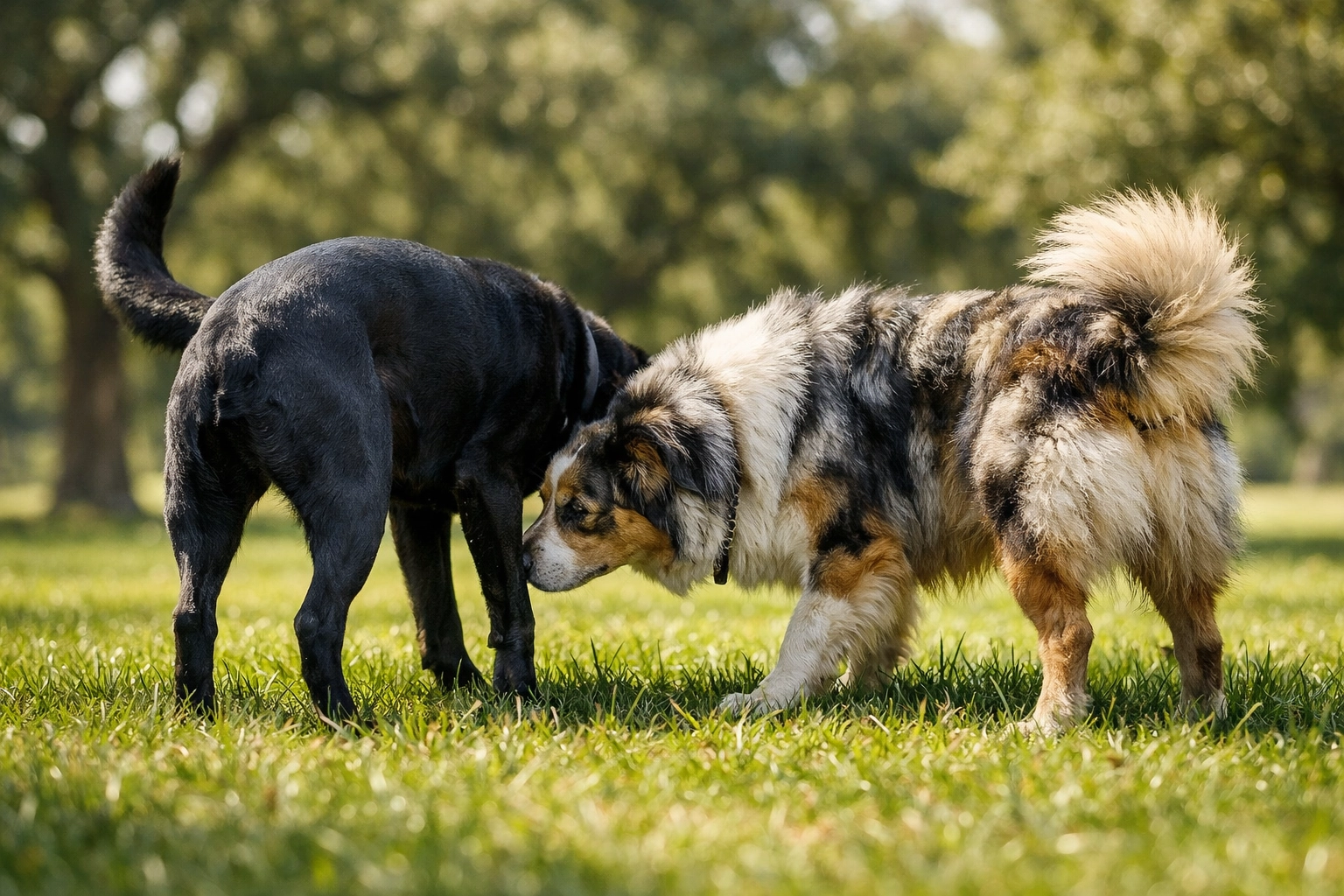
It’s the universal greeting of the canine world: the butt-sniff. To us, it’s a bit cringey, maybe even a little embarrassing when your dog decides to introduce themselves to a stranger’s pup in the middle of a Piedmont Park stroll. But to your dog, it’s a high-speed data download.
When you’re looking for dog training in Atlanta, understanding these natural instincts is the first step toward a well-behaved pet. Many owners struggle with "bad behavior," but often, it’s just a dog trying to navigate a social hierarchy they don't quite understand in a human world.
At Iron Will Dog Training, we’ve seen it all. With over 20 years of experience and a military background, we know that clear communication and structure are the keys to a happy household. Let’s dive into the "why" behind your dog’s social life and how you can use that knowledge to improve their manners.
The Canine Family Tree: More Than Just a Pack
Dogs are social animals by nature. In the wild, they tend to live in packs consisting mainly of related dogs, which means the pack structure has some very close similarities to human families. Just like your family, members of a dog pack sometimes help each other for mutual benefits and other times compete for valued resources like food, water, and that one squeaky toy that everyone wants.
"A dog doesn't see a 'boss'; they see a social structure where everyone has a role to play."
Parent and adult dogs are usually incredibly patient and tolerant with puppies. They’ll share food and let the little ones get away with murder. However, it’s important to note that this generosity usually ends when the pups reach adolescence. This is often the stage where owners call us for puppy manners training, wondering why their once-sweet puppy is suddenly getting "corrected" by older dogs.
The Truth About Social Hierarchy
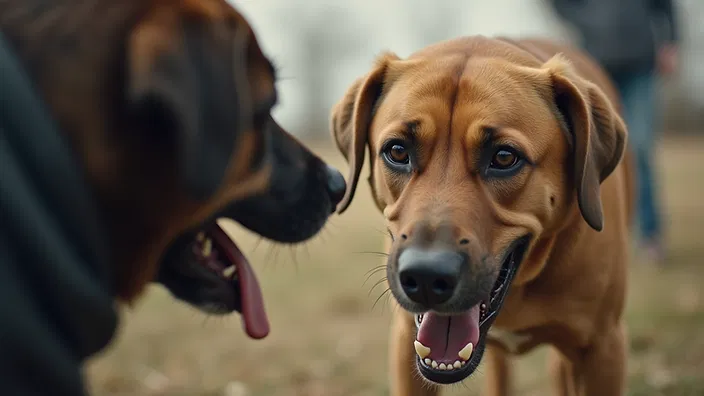
Within any pack, there is a power hierarchy. Top-ranking dogs have better access to resources than lower-ranking dogs. However, here is the secret most people miss: this hierarchy is a shifting and changing one. It is not permanent.
A dog's ranking within the pack can rise or fall based on:
Age: As dogs get older, they may relinquish their spot to younger, stronger members.
Health: A sick or injured dog may drop in the social standing.
Strength: Physical capability plays a role, though it isn't the only factor.
New Members: The hierarchy changes every time a dog joins or leaves the pack.
When you bring a new dog home, or even when your dog meets another at dog obedience classes in Atlanta, they are immediately attempting to sort out who stands where.
Sizing Each Other Up: The Greeting Ritual
When two dogs first meet, they attempt to sort out the social order right away. Sometimes it’s clear: like when a puppy immediately submits to an adult dog by rolling on its back, showing its belly, licking the mouth of the adult dog, and avoiding eye contact.
The first thing dogs do when they meet is size each other up. They sniff each other’s anus to introduce themselves. By doing this, they get information about the other dog’s age, sex, and sexual status. Dogs have glands on both sides of the anus that release a smelly substance when they defecate, feel frightened, or feel aggressive. When dogs sniff each other, they are gaining a full "bio" of the other dog. Once they finish this introduction, they’ll sniff faces and other areas, rank is established, and they can finally get down to the business of playing: or avoiding one another.
Why Professional Training is Essential for Social Balance
You might be thinking, "If this is all natural, why do I need a trainer?" The reality is that approximately 65% of dog owners misinterpret their dog's social signals, leading to unnecessary tension or even aggression.
In a human home, you are the permanent head of the pack. When a dog doesn’t feel a strong sense of leadership from their human, they may try to fill that void themselves. This is where we see issues like leash pulling, excessive barking, or resource guarding.
Our initial in-home consultation is designed to look at these dynamics. Because our team at Iron Will Dog Training brings a military level of discipline and over two decades of experience, we help you establish yourself as a fair, consistent leader. We don’t just teach your dog to sit; we teach them how to exist calmly within your family’s "pack."
Realistic Timeline: What to Expect
Socialization and hierarchy adjustments don't happen overnight. Here is a realistic look at how training helps navigate these natural instincts:
Week 1-2: Observation & Foundation. You’ll learn to identify your dog’s specific social cues. We begin basic obedience to establish a line of communication.
Week 3-6: Boundary Setting. This is where we address resource competition. Your dog learns that you control the "valued resources" (food, toys, attention).
Week 8+: Social Integration. At this stage, dogs are often ready for group classes, where they can practice their manners around other dogs in a controlled environment.
Understanding Adolescence and the "Shift"
As mentioned earlier, the "free pass" for puppies ends at adolescence. This is a critical time for puppy manners training. Around 6 to 12 months of age, your dog's hormones and size change, and other dogs will start holding them more accountable for their actions.
If your dog hasn't learned how to read social cues or respect boundaries by this point, they may find themselves in frequent "arguments" with other dogs. This is often why a dog who was "great at the dog park" suddenly starts having issues. They are trying to navigate a shifting hierarchy without the proper tools.
"Training is the bridge between a dog's wild instincts and their life as a beloved family member."
Actionable Steps for Owners
If you're noticing your dog struggling with social boundaries, here are a few things you can do right now:
Manage Resources: Don't leave high-value toys or bones lying around if you have multiple dogs. Give them out when you can supervise and maintain control.
Watch the Greeting: When meeting new dogs, keep it short. A 3-second sniff is usually enough. If it goes longer, tension can build.
Encourage Submission, Don't Force It: If your dog naturally rolls over or licks a more dominant dog's mouth, that's great communication! Don't feel the need to "rescue" them unless the other dog is being aggressive.
Professional Guidance: If you’re unsure about your dog's behavior, check out our Dog Training Tips or book a session.
Final Thoughts: Leading Your Pack
Understanding that your dog is a social animal with a natural drive for hierarchy doesn't mean you need to be a "bully" to your pet. In fact, true pack leaders in the wild are often the most calm and confident members.
By choosing Iron Will Dog Training, you’re opting for a balanced approach that respects your dog’s natural instincts while providing the structure they need to thrive in Atlanta’s busy environments. Whether you’re dealing with a rambunctious puppy or an adult dog who needs a refresher, we have the experience to help.
Ready to take the lead? Check out our plans and pricing and let’s start building a better relationship with your dog today.
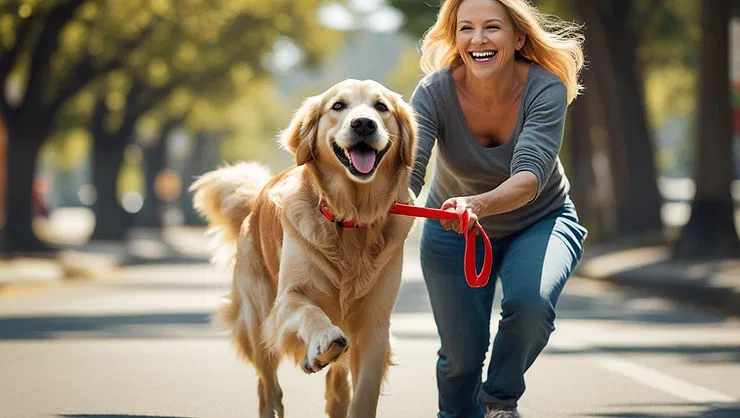
Your dog wants to understand their place in your world. When you provide clear leadership and an understanding of their social needs, you’ll find that "bad behaviors" often melt away, replaced by the loyal, well-mannered companion you’ve always wanted.